
Urban flooding in the Philippines is largely driven by reduced waterway capacity. Rivers, canals, and drainage channels accumulate sediment over time, limiting their ability to convey stormwater during heavy rainfall. When flow paths are restricted, flooding occurs regardless of pumping or surface drainage upgrades. For practical flood prevention, restoring and maintaining channel capacity is a primary requirement.
Dredging technology is used to remove these sediment deposits and reopen critical flow paths. In several Philippine dredging projects, dredging has been applied to rivers, lakes, and urban drainage systems to improve discharge performance during peak rain events. When planned correctly, this approach delivers measurable reductions in flood frequency and waterlogging.
This blog walks you through how dredging supports flood prevention efforts in Philippine cities and the technical factors that influence project outcomes. It also explains how Dredge & Pump Pros Philippines contributes to these projects by providing dredging pumps, equipment selection support, and on-ground technical guidance suited to local conditions.
Why Dredging Matters in the Philippines
Most flood-prone cities in the Philippines already have rivers, canals, and drainage systems in place. The issue is not a lack of infrastructure, but a loss of capacity. Over time, sediment buildup reduces depth and flow area, especially in low-lying and coastal cities. When rainfall increases, these waterways cannot carry the required volume. This makes flood prevention a maintenance and capacity issue rather than a new construction issue.
As a result, public agencies and project owners are placing greater emphasis on desilting and channel restoration. Several Philippine dredging projects now focus on removing sediment from rivers, lake inlets, drainage outfalls, and floodways to restore original design capacity. These works are often prioritized because they can be implemented more quickly than large structural upgrades and can be adjusted to site conditions.
From a practical standpoint, dredging technology directly addresses sediment accumulation, a major cause of urban flooding. When dredging is planned with correct equipment selection, disposal strategy, and maintenance scheduling, it becomes a repeatable and controllable method for reducing flood risk in Philippine cities.
City-level Flood Challenges and Where Dredging Fits
Across Philippine cities, flooding is less about rainfall volume and more about how water moves once it reaches rivers and drainage systems. Many urban waterways were designed decades ago for lower sediment loads and different land-use conditions. Today, upstream development, erosion, and waste accumulation have changed flow behavior. Channels that once efficiently carried stormwater now slow it or back it up.
In this situation, flood prevention depends on restoring flow capacity rather than expanding infrastructure. Dredging is used where waterways have lost depth, outfalls are partially blocked, or sediment has altered river profiles. These are not isolated locations but recurring conditions seen in urban rivers, lake inlets, floodways, and coastal discharge points.
Most Philippine dredging projects aimed at flood control focus on targeted removal rather than full-scale excavation. The goal is to reopen critical sections that control upstream water levels. This requires selecting the appropriate dredging technology based on access limitations, sediment type, disposal distance, and maintenance frequency. Poor alignment between equipment and site conditions is a major reason flood dredging underperforms.
This is where experienced suppliers matter. Dredge & Pump Pros Philippines works with project teams to match dredging pumps and systems to actual site constraints, not theoretical designs. That alignment is what allows dredging to function as a repeatable flood prevention tool instead of a one-time intervention.
Dredging Technology Used for Flood Prevention
Flood-related dredging is not about maximum excavation. It is about removing the right material from the right location, using equipment that can operate reliably in constrained urban environments. In Philippine flood control work, dredging is typically performed in narrow rivers, shallow lakes, drainage outfalls, and low-clearance canals. These conditions directly influence technology selection.
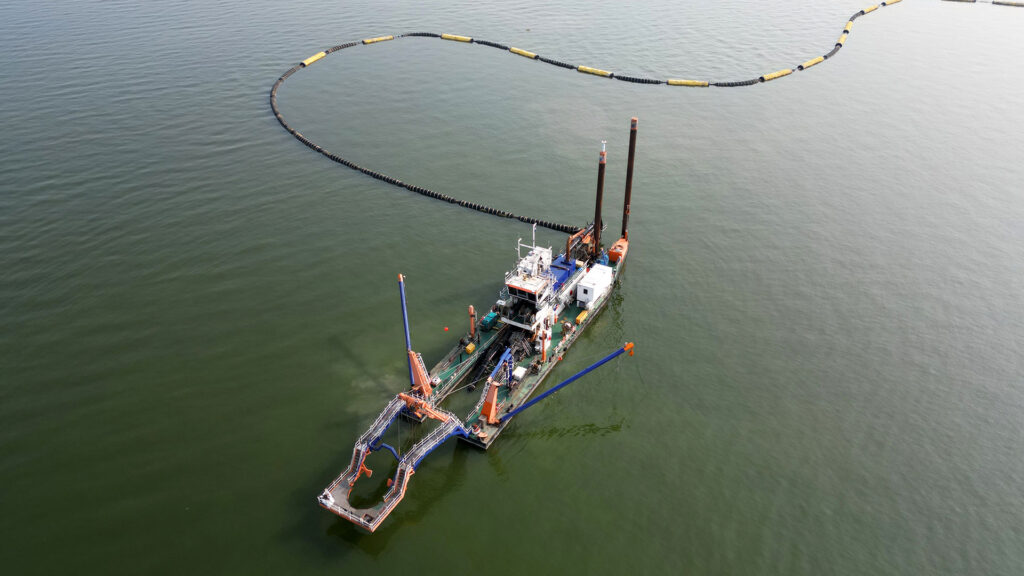
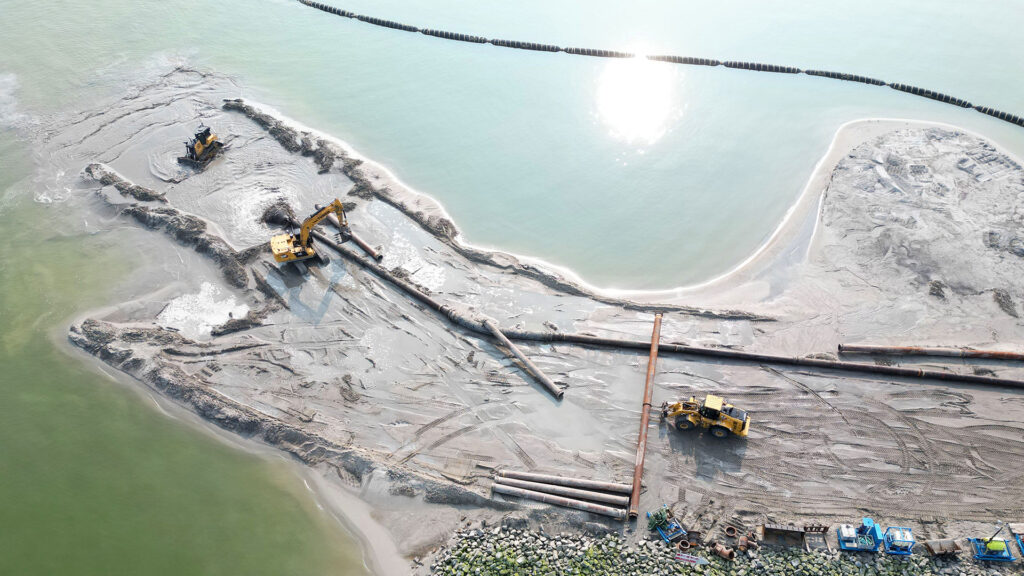
Most flood prevention dredging projects rely on suction-based systems because they allow controlled sediment removal without disturbing surrounding structures. Cutter suction dredgers are commonly used where sediment has compacted over time and needs mechanical loosening before pumping. In tighter locations, excavator-mounted dredge pumps are preferred because they can work from riverbanks or existing platforms without large mobilization requirements.
Pump performance is an important factor. Flood dredging often involves fine silt mixed with organic waste and debris. Pumps must handle variable solids content without frequent clogging or wear failures. This is why dredging systems used in Philippine dredging projects are typically paired with abrasion-resistant slurry pumps and short discharge distances to simplify operation and reduce downtime.
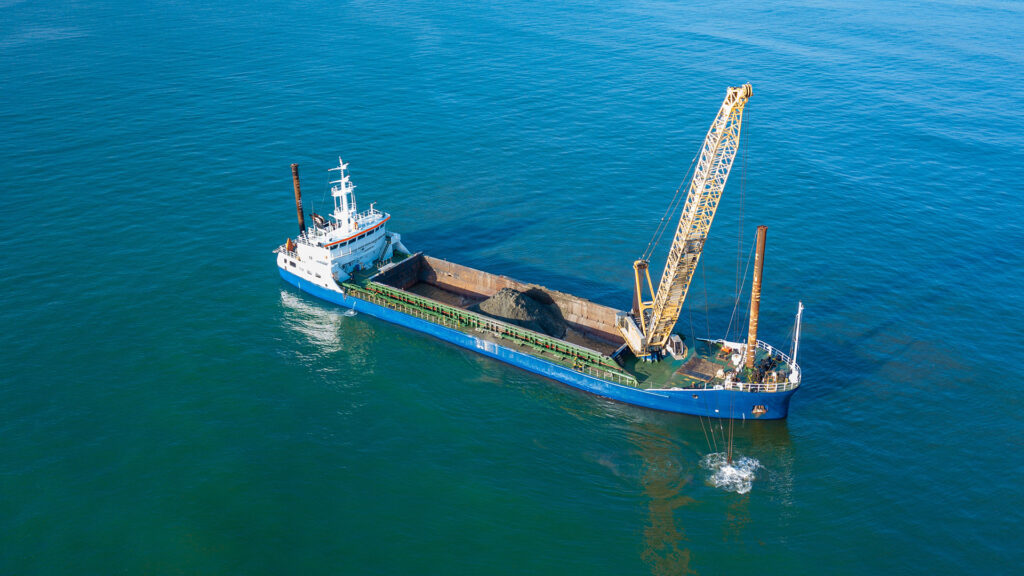
Another key consideration is disposal. Flood control dredging usually targets shallow material removal, which means dredged sediment volumes are moderate but recurring. Dredging technology must support repeat operations, be easy to set up, and enable fast demobilization. Systems designed only for large-scale capital dredging are often inefficient for this purpose.

In practice, successful flood dredging depends less on equipment size and more on correct system matching. Dredge & Pump Pros Philippines supports this approach by supplying dredging pumps and configurations suited to urban waterways, short-cycle projects, and ongoing maintenance programs, rather than one-time excavation work.
How Dredging Fits into an Integrated Flood Prevention Strategy
Dredging alone does not prevent flooding. It works when it is planned as part of a broader system that manages how water enters, moves through, and exits urban areas. In Philippine cities, flood control systems typically include rivers, drainage networks, pumping stations, floodgates, and retention areas. When any part of this system loses capacity, overall performance drops.
Within this system, dredging has a specific role. It restores the hydraulic capacity of channels that pumps and gates depend on. If riverbeds are raised by sediment, pumps discharge less water, and gates become ineffective during high tide. In this context, flood prevention starts with ensuring that downstream waterways are clear before mechanical or structural solutions are added.
Most Philippine dredging projects tied to flood control follow a targeted approach. Instead of dredging entire river lengths, work is focused on constricted sections, outfalls, and low-gradient reaches where sediment accumulates fastest. This allows dredging to support existing infrastructure rather than replace it.
From a planning perspective, dredging technology must align with inspection schedules and maintenance cycles. Channels are assessed, dredged where capacity loss is confirmed, and revisited on a predictable timeline. When dredging is treated as routine system maintenance rather than an emergency response, flood risk becomes easier to manage, and costs remain controlled.
In these integrated programs, equipment reliability and availability matter as much as excavation capability. Dredge & Pump Pros Philippines supports this model by providing dredging pumps and system configurations designed for repeat use, fast setup, and compatibility with urban flood control operations.
Planning and Procurement Considerations for Flood Dredging Projects
Flood-related dredging projects often fail at the planning stage, not during execution. The most common issue is that dredging is treated as an isolated activity rather than as part of a flood control system. Before equipment is selected or contracts are issued, project owners need a clear understanding of where capacity loss is occurring and how often dredging will be required.
For effective flood prevention, planning should begin with basic field data. This includes current channel depth, sediment type, access constraints, and discharge locations. Without this information, dredging equipment is often oversized, undersized, or unsuitable for the site. Many Philippine dredging projects face delays because mobilized equipment cannot operate efficiently in narrow or shallow waterways.
Procurement should prioritize system compatibility over the lowest initial cost. Dredging technology used for flood control must handle mixed sediments, operate continuously in wet conditions, and support repeated deployments. Short-cycle maintenance dredging requires equipment that can be installed and removed quickly without major civil works.
Another key factor is long-term support. Flood dredging is rarely a one-time effort. Spare parts availability, operator training, and local technical support directly affect system uptime. This is where supplier involvement becomes important. Dredge & Pump Pros Philippines works with contractors and public agencies to match dredging pumps and systems to real site conditions and maintenance plans, reducing operational disruptions over the project lifecycle.
Environmental and Regulatory Considerations in Flood Dredging
Flood dredging projects in the Philippines operate under environmental and public safety controls. These are not optional steps. They directly affect how fast a project can start and how smoothly it runs once equipment is mobilized.
For flood prevention work, the main environmental concern is sediment handling. Dredged material often contains fine silt mixed with organic waste. Projects must define where this material will be placed and how runoff will be controlled. In many Philippine dredging projects, delays happen because disposal plans are unclear or approved too late.
Regulatory coordination is also critical. Local government units, environmental offices, and national agencies, such as the Department of Public Works and Highways, typically require documentation of dredging limits, methods, and schedules. Flood dredging is usually allowed under maintenance or emergency works, but only when the scope is clearly defined and aligned with flood control objectives.
From an operational point of view, dredging technology must support compliance. Equipment should allow controlled excavation, stable pumping rates, and minimal turbidity spread. Systems that are difficult to regulate or frequently break down increase both environmental risk and regulatory scrutiny.
This is why flood dredging works best when planning, equipment selection, and compliance are addressed together. Dredge & Pump Pros Philippines supports this by helping project teams select dredging pumps and configurations that meet operational needs while fitting within local environmental and regulatory requirements.
Cost Structure, ROI, and Long-term Value of Dredging for Flood Prevention
Flood dredging is often evaluated solely as a short-term expense, especially when it is undertaken after a flood. This approach leads to repeated emergency spending without addressing capacity loss over time. For sustainable flood prevention, dredging needs to be viewed as a planned operating cost rather than a one-off intervention.
In most Philippine dredging projects, costs are driven by three factors: mobilization, operating time, and sediment disposal. When dredging is scheduled and repeated at known locations, mobilization time drops and unit costs stabilize. In contrast, emergency dredging typically entails rushed procurement, inefficient equipment use, and higher overall costs.
From a return perspective, dredging delivers value by protecting existing infrastructure. Restoring channel capacity improves the performance of drainage networks, pumping stations, and floodgates without requiring major structural upgrades. This reduces flood-related damage to roads, utilities, and nearby developments. Over multiple seasons, the avoided repair and recovery costs often exceed the cost of routine dredging.
The long-term value comes from consistency. When dredging technology is selected for repeat use and supported locally, flood control agencies can shift from reactive response to predictable maintenance. Dredge & Pump Pros Philippines supports this model by supplying dredging pumps and systems designed for durability, serviceability, and long-term deployment in Philippine flood control programs.
Operations and Maintenance Planning for Flood Dredging
Flood dredging only works when it is maintained as a routine activity. When channels are dredged once and left unattended, sediment returns, and capacity is lost again. For reliable flood prevention, operations and maintenance planning must be built into the project from the start.
In most Philippine dredging projects, sediment buildup follows predictable patterns based on rainfall, upstream land use, and tidal influence. Monitoring these areas allows dredging to be scheduled before capacity loss becomes critical. This reduces emergency mobilization and keeps equipment usage controlled and efficient.
From an operations standpoint, dredging technology used for flood control must support repeated deployment. Equipment should be easy to install and operate for long hours in wet conditions, and be removable without major site preparation. Pumps and wear parts must be serviceable locally to avoid long downtime during peak flood season.
Maintenance planning should also include operator training, spare parts availability, and inspection intervals. These factors determine whether dredging systems remain available when they are needed most. Dredge & Pump Pros Philippines supports long-term operations by providing equipment support, parts supply, and technical guidance aligned with recurring flood-dredging programs rather than one-time projects.
Flood control in Philippine cities depends on keeping waterways open and functional. When sediment reduces channel capacity, flooding becomes unavoidable. Planned dredging is one of the most practical tools for flood prevention because it directly restores flow where the system fails.
When applied as part of routine maintenance, dredging technology helps cities reduce flood risk, protect infrastructure, and control long-term costs. Many Philippine dredging projects show that consistent dredging delivers better results than emergency response.
For project planning, equipment selection, or maintenance support, Dredge & Pump Pros Philippines works with contractors and agencies to deliver reliable dredging solutions suited to local conditions.