
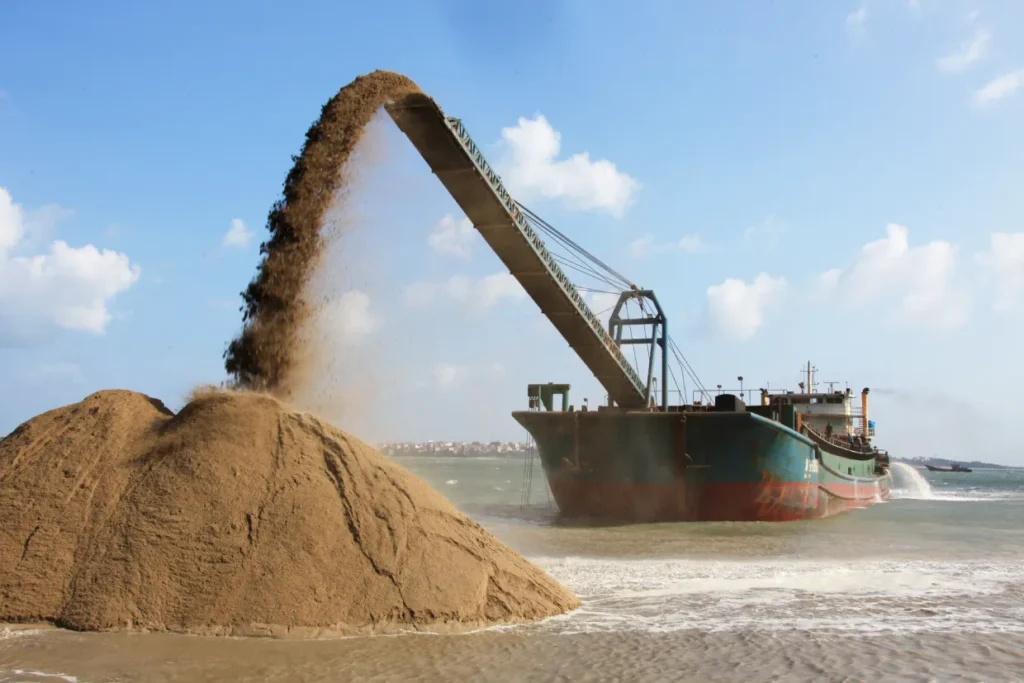
Dredge boats are specialized vessels engineered to remove sediment, slurry, or debris from the bottoms of rivers, lakes, harbors, and industrial water systems. By combining mechanical excavation and hydraulic transport, these vessels play a vital role in maintaining navigable waterways, optimizing water flow, and preventing sediment buildup that can disrupt operations or damage infrastructure. In industrial contexts, whether in mining, energy, or marine construction, dredge boats and dredger boats keep critical channels, tailings ponds, and reservoirs functional and efficient.
Beyond simple excavation, dredging operations contribute directly to industrial efficiency. Regular sediment and slurry removal helps maintain consistent flow rates, reduce equipment wear, and extend the operational life of pumps and pipelines. In the mining sector, for example, a well-maintained dredger boat system supports the safe handling of tailings. At the same time, in the energy and maritime industries, it safeguards ports, cooling systems, and transport routes. The process also supports environmental compliance by managing sedimentation and controlling pollutant buildup, helping industries meet both performance and sustainability goals.
For decision-makers, procurement heads, project contractors, and engineering managers, the relevance of dredge boats lies in measurable outcomes: reduced downtime, lower maintenance costs, and long-term operational stability. Investing in efficient dredging technology means improved return on capital equipment, fewer project delays, and enhanced environmental stewardship.
This blog explores how dredge boats function, the types used across various industries, and how their engineered precision translates into real-world performance advantages for large-scale operations. Whether applied in coastal restoration, mining operations, or municipal maintenance, each dredger boat represents a convergence of technology, reliability, and operational impact.
What Is a Dredge Boat?
A dredger boat is a purpose-built vessel designed to excavate and remove accumulated sediment, slurry, or debris from the bed of a water body and transport it to a designated discharge area. Engineered for precision and endurance, dredge boats operate in rivers, lakes, harbors, and industrial basins to maintain navigable depth, restore water flow, and support large-scale construction or reclamation activities. Each dredger boat integrates specialized pumping and excavation systems that enable controlled sediment removal while minimizing environmental disruption.
Although it may apply to smaller, more transportable devices used for maintenance, dredging, or specialized operations, a dredge boat operates similarly. These boats are frequently used in shallow or restricted spaces where agility and flexibility are essential, such as lagoons, ponds, and wastewater treatment facilities.
The key components of modern dredging equipment include:
- Hull: The structural base that provides buoyancy and stability, accommodating all onboard systems and control equipment.
- Cutterhead or Suction Pipe: The front-end mechanism responsible for breaking up compacted material or drawing in the sediment-water mixture.
- Dredge Pump System: A high-capacity pump that creates suction to transport the sediment slurry through the discharge line, typically powered by diesel or electric drives for consistent performance.
- Discharge Pipeline: A series of pipes or hoses that convey the dredged material to disposal areas, containment ponds, or reclamation sites, sometimes several kilometers away.
The operation of these systems generally falls into two categories:
- Mechanical Dredging: Uses buckets, clamshells, or cutters to lift material from the bed physically. It is suited for dense sediments, confined areas, or precision excavation tasks.
- Hydraulic Dredging: Employs suction created by the dredge pump to move sediment mixed with water as a slurry through a pipeline. This method is preferred for continuous, large-scale removal and efficient transport over long distances.
Dredging boats are needed across many sectors, including port deepening, land reclamation, management of mining tailings ponds, lagoon cleaning, flood control, and coastal restoration. They deliver quantifiable outcomes across both productivity and environmental performance.
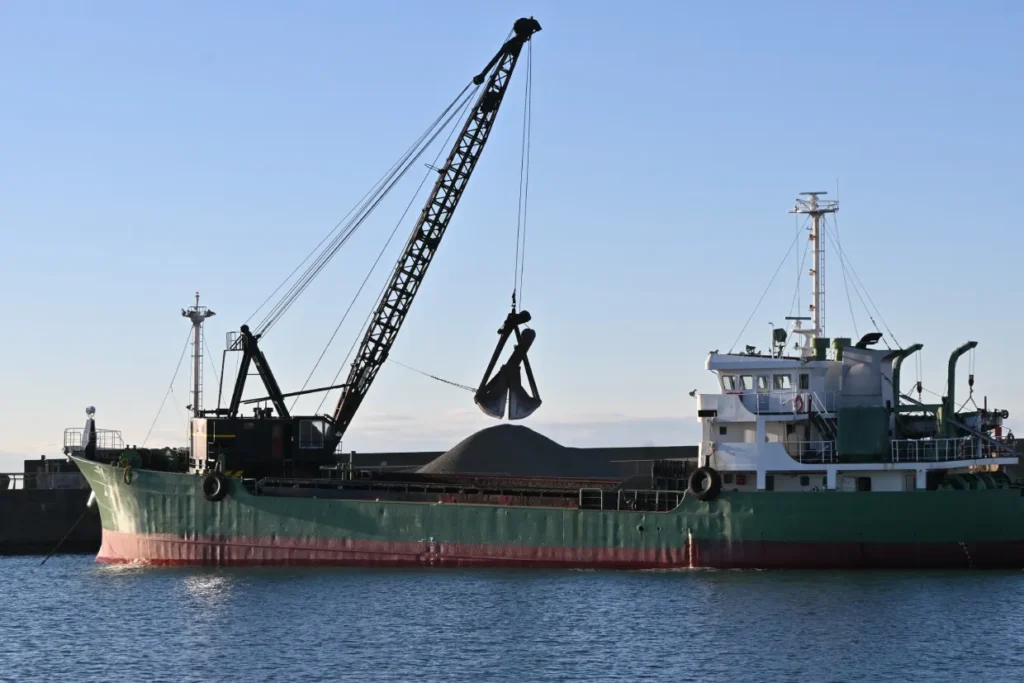
How Does a Dredge Boat Work? Inside the Sediment Removal Process
The operational cycle of dredge boats follows a controlled sequence of excavation, slurry production, and hydraulic transport designed for predictable, measurable performance.
1. Sediment loosening: mechanical and hydraulic methods
Sediment is first loosened using cutterheads, clamshells, augers, or high-pressure jets. On cutter-head systems used by dredge boats, rotating teeth shear compacted layers while jetting or suction heads fluidize softer silt and clay. The chosen method reflects substrate strength and project goals, mechanical action for compact or mixed sediments, and jetting for fine-grained material. In larger operations, a dredger boat may use multi-tool attachments for different soil compositions, enhancing excavation efficiency and accuracy.
2. Slurry formation: creating a pumpable matrix
Proper slurry formation on dredge boats is essential to avoid pipeline blockages and to optimize transport efficiency. As disturbed sediment mixes with water, the target solids concentration is controlled through cutter geometry, jet flow rates, and intake positioning to maintain a homogeneous slurry within the pump’s handling range. A dredger boat operating under automated systems can adjust these parameters in real time, ensuring steady performance even under changing sediment conditions.
3. Pumping and discharge: moving material reliably
High-performance dredge pumps on dredge boats convert the created suction into a steady pipeline flow. Heavy-duty centrifugal or axial-flow pumps with abrasion-resistant materials handle particulate-laden slurries at high volumes. Correct pump sizing, wear-part selection, and accessible maintenance points sustain consistent suction, reduce cavitation risk, and minimize unplanned downtime—directly affecting production rates and lifecycle costs. On larger dredger boats, dual-pump configurations are often used to maintain continuous discharge over long distances, improving throughput efficiency.
4. Automation and precision control
A modern dredging boat integrates GPS-guided positioning, flow and pressure sensors, variable-speed drives, and PLC/SCADA controls to stabilize solids concentration and automatically maintain setpoints. Closed-loop control of pump speed against measured head and solids content preserves efficiency, while remote monitoring speeds fault diagnosis and reduces manual intervention. These advanced systems are now standard on every high-capacity dredger boat, helping with precision dredging under strict environmental and productivity constraints.
5. Stationary vs. mobile operations: deployment tradeoffs
Project teams weigh flexibility, stability, and accuracy when choosing dredge boats. While mobile units offer quick redeployment and are more appropriate for shallow, scattered, or brief maintenance activities, stationary (spud- or anchored) platforms are superior at precise, continuous cuts and long-distance pipeline alignment. The best of both worlds —stable, high-output performance and the flexibility to adapt to various project environments —can be found in a dredger boat built for modular operation. Depth, throughput, disposal logistics, and total cost of ownership all influence the best option.
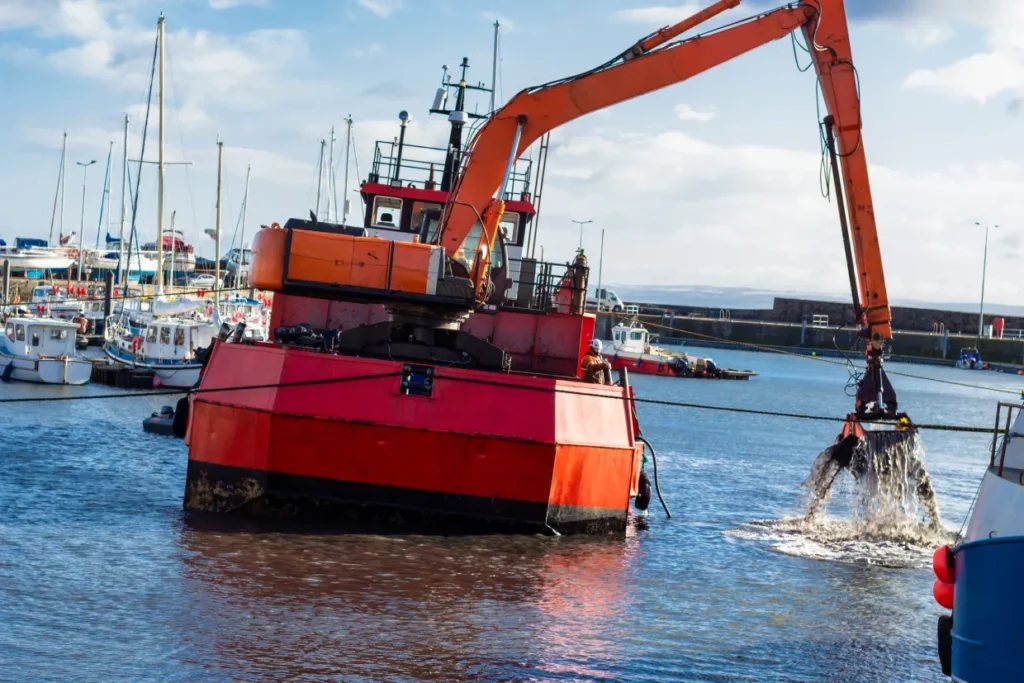
Types of Dredge Boats and Their Industrial Applications
Different types of dredge boats are designed to address specific site conditions, sediment properties, and production needs. Decision-makers may better match performance, cost, and maintenance goals for long-term ROI by comprehending their working principles and practical appropriateness.
1. Cutter Suction Dredgers (CSDs)
Cutter Suction Dredgers are among the most powerful dredge boats, built to excavate compacted or cohesive materials such as clay, sand, or rock. A rotating cutterhead breaks down the sediment, which is then suctioned and pumped through a discharge pipeline for transport. These systems are ideal for large-scale reclamation, harbor deepening, and port maintenance projects requiring high production rates. CSDs typically operate continuously, offering throughput capacities ranging from hundreds to thousands of cubic meters per hour. Maintenance focuses on cutterhead wear parts, pump impellers, and spud systems, components subject to intense abrasion under heavy-duty use.
2. Trailing Suction Hopper Dredgers (TSHDs)
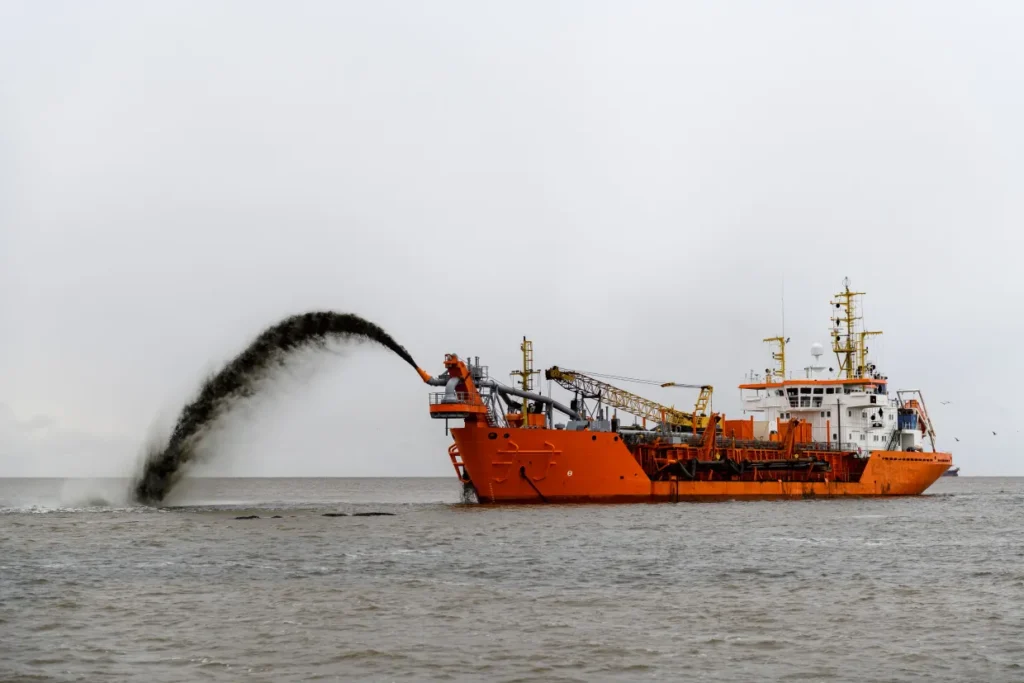
Trailing Suction Hopper Dredgers are self-propelled dredging boats designed for extensive coastal or offshore operations. Equipped with long suction arms, they trail the seabed while filling onboard hoppers with dredged material. Once filled, the material is either transported to disposal sites or used for reclamation. TSHDs are well-suited for deep-water navigation channel projects and coastal nourishment programs where mobility and high throughput are critical. They can achieve production volumes exceeding 10,000 cubic meters per load. Maintenance is typically focused on the draghead, suction pipe joints, and onboard pump systems, which experience high wear from abrasive materials.
3. Plain Suction Dredgers
Plain Suction Dredgers are a cost-effective class of dredge boats optimized for removing loose sediment or fine silt in shallow areas. These systems omit a cutterhead, relying solely on suction to remove material mixed with water. They are commonly used in ponds, lagoons, reservoirs, and small harbors where precision and efficiency matter more than raw power. Throughput varies from 100 to 500 cubic meters per hour, depending on pump power and sediment consistency. Maintenance is generally low, with attention on pump impellers, suction pipes, and pipeline joints to ensure consistent flow and prevent clogging.
4. Auger and Amphibious Dredgers
Specialized dredging boats, such as augers and amphibious dredgers, are designed to remove silt from wetlands, shallow or variable-depth water bodies, and other environments. It is ideal for handling contaminated material or delicate ecosystems, as the auger action minimizes turbidity by gently stirring up silt. Their value for flood control and shoreline reclamation is enhanced by the fact that amphibious varieties can function both in water and on soft ground. Project sizes are usually moderate, with a throughput of 50 to 300 cubic meters per hour and an emphasis on precision over volume. Seals, auger blades, and hydraulic systems exposed to moisture and fine silt are all routinely inspected as part of maintenance.

By selecting the right type of dredge boats, operators can optimize capital expenditure, reduce downtime, and ensure consistent production aligned with environmental and operational goals.
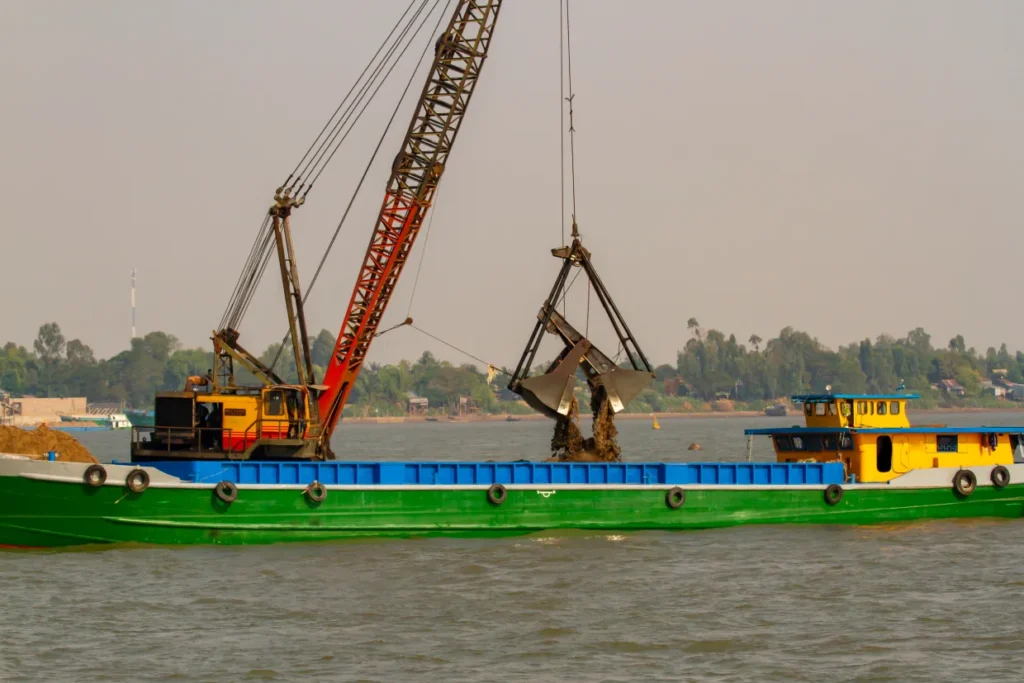
How Sediment and Slurry Removal Enhances Operational Efficiency
Effective dredging is a cornerstone of industrial efficiency, directly influencing flow capacity, equipment reliability, and long-term operational costs. When dredge boats are deployed systematically, they prevent sediment buildup that restricts hydraulic performance, reduces conveyance capacity, and accelerates wear across pipelines and pump systems. Maintaining optimal flow conditions not only safeguards infrastructure lifespan but also supports consistent output in sectors where downtime equates to lost revenue, such as mining, energy generation, and port operations.
In industrial environments, sediment accumulation can cause serious bottlenecks. A well-managed dredging boat operation ensures that channels, ponds, and intake basins remain clear, enabling uninterrupted water circulation for cooling systems, slurry handling, or wastewater treatment. This proactive approach minimizes clogging events and eliminates the need for frequent manual cleanouts, which can interrupt production schedules. The result is higher equipment uptime, better energy utilization, and greater predictability in operational planning.
From a measurable standpoint, dredging boats deliver tangible benefits across key performance indicators. Regular dredging reduces sedimentation downtime, allowing facilities to operate continuously at designed capacity. Pump efficiency improves as hydraulic head loss decreases, translating into lower energy consumption per cubic meter of material moved. Reduced abrasive wear on pipelines, valves, and impellers further lowers maintenance frequency and extends equipment lifespan, cutting replacement costs and labor hours associated with unscheduled repairs.
The ROI is evident when these advantages are quantified in monetary terms. Facilities that use contemporary dredge boats benefit from lower operating costs, fewer production interruptions, and improved lifespan costs for vital equipment. For industrial-scale operations, every hour of effective dredging improves asset performance, system dependability, and long-term profitability.
Environmental and Regulatory Considerations in Dredging Operations
Modern dredge boats are increasingly designed with environmental responsibility as a core operational principle. As global industries face stricter environmental regulations and sustainability goals, dredging systems have evolved from purely mechanical excavators to precision-controlled machines that minimize ecological impact. By integrating eco-conscious technologies such as precision dredging and controlled discharge systems, these vessels enable accurate material removal while reducing turbidity, fuel consumption, and disturbance to aquatic ecosystems.
Precision dredging technologies allow operators to target specific sediment layers with remarkable accuracy, using GPS-guided positioning and sonar mapping to prevent unnecessary excavation. This minimizes over-dredging and reduces the volume of displaced material, directly supporting sustainable resource management. Similarly, controlled discharge systems manage how and where dredged material is released —whether for reclamation, containment, or reuse —ensuring compliance with sediment quality and disposal standards. These innovations make dredging boats far more efficient in balancing performance with environmental stewardship. A modern dredger boat equipped with automation and sediment sensors can deliver high productivity while maintaining compliance with ecological constraints, making it ideal for regulated waterways and industrial zones.
A key aspect of sustainable dredging is sediment testing and turbidity control. Before any operation begins, sediment samples are analyzed for contaminants, nutrient levels, and grain size to determine safe handling and disposal methods. During dredging, real-time turbidity sensors monitor water clarity, automatically adjusting suction power and cutter rotation speed to maintain acceptable limits. This prevents excess suspended solids from spreading and harming aquatic habitats, an essential factor in meeting regulatory permits.
Additionally, dredging boats used in land reclamation or coastal defense projects must adhere to strict compliance frameworks set by environmental agencies. These include protocols for habitat restoration, sediment reuse, and shoreline stability. By incorporating automation, flow regulation, and emission-reducing technologies, advanced dredge boats and dredger boats now support sustainable dredging practices that align with both industrial performance targets and government environmental standards. The result is a more efficient, compliant, and environmentally conscious approach to managing sediment in modern infrastructure and waterway operations.
Redefining Efficiency and Sustainability in Dredging
Modern dredge boats stand as a benchmark of engineering precision and environmental responsibility, designed to meet the evolving needs of industries that rely on efficient sediment and slurry management. Equipped with advanced control systems, GPS-guided positioning, and efficient pump technology, dredge boats achieve high production rates while minimizing ecological disturbance. Their ability to balance mechanical power with sustainability-focused design makes them indispensable assets for projects that demand both operational excellence and environmental compliance.
In today’s industrial landscape, decision-makers value dredge boats not only for their performance but for their measurable impact on project economics. These vessels ensure reliable performance through consistent suction flow, reduced cavitation, and minimal downtime, key factors that directly influence productivity across mining, energy, construction, and municipal operations. The precision-driven engineering of dredge boats also translates to measurable cost benefits, such as lower energy consumption, extended equipment lifespan, and optimized maintenance cycles. When paired with rigorous environmental safeguards, these systems assure compliance, helping organizations meet national and international dredging regulations with confidence.
Furthermore, integrating automation and monitoring tools on dredge boats enables real-time adjustments to maintain target flow rates and sediment density. This not only improves dredging accuracy but also minimizes material waste and fuel consumption, reinforcing the vessel’s role as a smart, sustainable solution. As industrial operations face increasing scrutiny over environmental impact, modern dredging boats provide the balance between efficiency, compliance, and sustainability that stakeholders demand.For organizations seeking to enhance the performance of their dredge boats, Dredge Pump Pros offers a proven range of self-priming dewatering and dredge pump systems engineered for long-term reliability. These systems are designed to complement the precision and durability of modern dredging boats, ensuring uninterrupted operation, lower lifecycle costs, and dependable results in demanding industrial environments.